- Modern biophysical models describe acupuncture points as neurovascular branch points — where nerves and blood vessels meet — not mystical energy centers.
- Needling these points increases local microcirculation, modulates blood pressure through the autonomic nervous system, and organizes heart-rhythm patterns.
- For chronic pain, a large individual-patient-data meta-analysis found acupuncture more effective than sham and no-acupuncture controls.
- Respecting traditional practice and demanding physiological mechanism are not in conflict — the ancient descriptions map onto real anatomy.
Few medical practices are as polarizing as acupuncture. To some it is mystical energy medicine; to others, elaborate placebo. Both caricatures miss what the modern science actually shows — that acupuncture is better understood as physiology, engaging the real electrical and vascular architecture of the body. Let's look at how it works, and what the evidence honestly says.
The ancient anatomists were describing real structures
For over two millennia, Traditional Chinese Medicine described a network of channels and points through which vital energy, Qi, flows. That language sounds abstract to modern ears. But according to a 2022 biophysical model published in Medical Acupuncture, the ancient Chinese anatomists — who based their foundational texts on actual dissection — were describing something very concrete: the neurovascular system, the interwoven network of nerves and blood vessels.
The classical texts distinguished between vessels carrying blood (large, firm, visible) and finer "vessels" carrying Qi (deep, fine) — a distinction modern researchers interpret as blood vessels versus nerves. And the "meeting points" where these structures intersect map onto neurovascular branch points, the anatomically active locations where nerves and blood vessels divide. In other words, the acupuncture map was an early, dissection-based description of real anatomy.
What a needle actually does
When a needle stimulates one of these branch points, the biophysical model describes three measurable cardiovascular effects:
- It increases microcirculation. Needling triggers a local nerve-mediated "axon reflex" that dilates blood vessels, boosting blood flow — not only at the needle site but, remarkably, in distant regions, including the mirror point on the opposite side of the body. This points to a whole-body nervous-system response.
- It regulates blood pressure. Acupuncture acts on the autonomic nervous system, and the direction depends on your baseline: it tends to lower high blood pressure and raise low blood pressure toward normal, by influencing brainstem regions (like the NTS and RVLM) that govern cardiovascular control.
- It organizes heart-rhythm patterns. Using nonlinear analysis, researchers find acupuncture increases the healthy complexity of heartbeats while reducing randomness — nudging the heart toward the "window of organized variability" that characterizes a resilient, adaptable system.
Two mechanisms tie this together: ascending vasodilation (a dilatory signal spreading along the vessel lining) and baroreflex resetting (a partial recalibration of the body's blood-pressure set-point, as if preparing for movement without actual exertion). These follow known physical laws — no mysterious energy required.
What the clinical evidence shows
Mechanism is interesting, but does acupuncture help patients? Here honesty about the evidence matters. The strongest data are for chronic pain. A large individual-patient-data meta-analysis — pooling high-quality randomized trials across nearly 21,000 patients — found acupuncture more effective than both sham acupuncture and no-acupuncture controls for chronic pain conditions like back and neck pain, osteoarthritis, and headache, with benefits that persisted over time.
The effect sizes are moderate, and there is legitimate scientific debate about their magnitude and the role of context and expectation. But the data support a genuine effect beyond placebo for several pain conditions. For other uses, the evidence is more variable and should be judged case by case — the same evidence-graded honesty I apply to everything.
Tradition and science, held together
This is what integrative medicine at its best looks like: taking a traditional practice seriously enough to investigate its mechanism, rather than either accepting it uncritically or dismissing it reflexively. The ancient descriptions turn out to map onto real neurovascular anatomy; the mechanisms follow known physiology; and the clinical evidence, honestly weighed, supports a real role for several conditions, chiefly chronic pain. Acupuncture does not manipulate mysterious energy. It engages the physical, electrical, and vascular architecture of your body — using branch points nature designed to communicate change from the periphery to the core.
In practice: why this matters
Acupuncture is used by millions and is increasingly offered for pain within mainstream care, yet public understanding swings between mystical hype and reflexive dismissal. A clear, physiological account — one that neither over-promises nor waves the practice away — helps patients and clinicians make informed decisions, and models how integrative medicine can hold tradition and science together honestly.
Frequently asked questions
Does acupuncture actually work, or is it placebo?
For chronic pain, the best evidence — including a large individual-patient-data meta-analysis — found acupuncture more effective than both sham (placebo) acupuncture and no treatment, with effects that persisted over time. The effect sizes are moderate and there is real debate about magnitude, but the data support a genuine effect beyond placebo for several pain conditions. Evidence for other uses varies and should be judged case by case.
Are acupuncture points real anatomical locations?
Modern anatomical work suggests many classical acupuncture points correspond to neurovascular branch points — locations where nerves and blood vessels divide, which are physiologically active sites. The ancient anatomists, working from dissection, appear to have been describing the neurovascular system in the vocabulary of their time.
References
- Foley C, Litscher G. A Biophysical Model for Cardiovascular Effects of Acupuncture — Underlying Mechanisms Based on First Principles. Medical Acupuncture. 2022;34(5):318–335. doi:10.1089/acu.2022.0050
- Vickers AJ, Vertosick EA, et al. Acupuncture for Chronic Pain: Update of an Individual Patient Data Meta-Analysis. The Journal of Pain. 2018;19(5):455–474. doi:10.1016/j.jpain.2017.11.005
Peer-reviewed sources located via PubMed and cited for education. Citations reflect published research at time of writing.
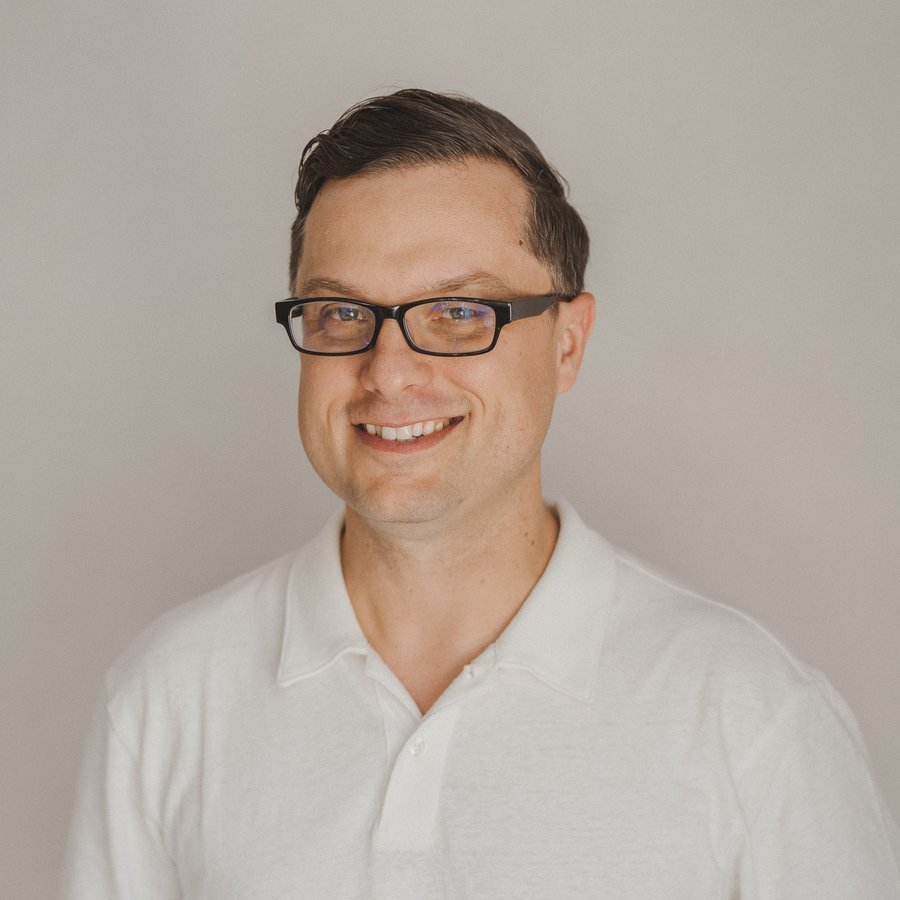
Dr. Andrew Simon, ND, BCB
Licensed naturopathic physician and board-certified biofeedback practitioner in Seattle. Clinic Director of Rebel Med NW, adjunct clinical faculty at Bastyr University, six-time Seattle Met Top Doctor, and the naturopathic advisor to Washington State on Long COVID. Read full bio →
This article is for educational purposes and is not a substitute for individualized medical care. Talk with a qualified clinician about your specific situation.