- Functional medicine treats the why behind symptoms — the upstream mechanism — rather than only suppressing the symptom itself.
- It is systems-based: one root cause (say, insulin resistance or chronic inflammation) often drives several seemingly unrelated complaints.
- In a Cleveland Clinic study of over 7,000 patients, functional-medicine care was associated with greater improvement in quality of life than standard primary care.
- Naturopathic physicians are licensed in Washington to diagnose, order labs, and prescribe — functional medicine is the framework, not an alternative to real medicine.
"Everything looks normal."
If you have heard those words while feeling anything but normal, you have met the limits of a medicine built to name diseases rather than explain them. Your labs fall inside the reference range, so there is no diagnosis — and without a diagnosis, there is no plan. You are sent home to wait until something crosses a threshold and becomes a billable problem.
Functional medicine starts from a different question. Not "which disease do you have?" but "why is this system drifting, and how do we move it back?"
What functional medicine actually is
Functional medicine is a systems-based approach that identifies and treats the root causes of illness, using a detailed history, targeted laboratory testing, and interventions across nutrition, lifestyle, and — when appropriate — medication. The premise is simple and, once you see it, hard to unsee: chronic disease is usually a slow slope of dysfunction, not a sudden switch. Type 2 diabetes, for example, develops over a decade of measurable, reversible insulin resistance before anyone earns the diagnosis.
The functional model treats the body as an interconnected network rather than a set of isolated organs assigned to separate specialists. That matters because a single upstream problem often produces several downstream symptoms. Chronic inflammation can show up as fatigue, joint pain, brain fog, and mood change all at once. Chase each symptom separately and you get four prescriptions. Fix the mechanism and several problems ease together.
How it differs from the fifteen-minute visit
Conventional primary care is superb at acute problems — the infection, the fracture, the emergency. Where it struggles is the slow, multi-system, lifestyle-driven complaint, because the system it runs on rewards short visits and single diagnoses. Functional medicine changes three things:
- Time. The intake is a full timeline of your health, not a checklist. Goals come first, disease second.
- Testing. Beyond the standard panel, functional testing looks at thyroid beyond TSH, fasting insulin, nutrient status, cortisol rhythm, and — when symptoms point there — the gut microbiome or food-intolerance patterns.
- Treatment order. The plan starts with the mechanisms that move the most: nutrition, movement, sleep, and stress physiology — then layers targeted therapeutics, including prescription medication when it is the right tool.
None of this replaces conventional medicine. It adds the depth a ten-minute appointment cannot hold.
The evidence it works
Skeptics reasonably ask whether this model produces results or just longer conversations. The largest look so far comes from the Cleveland Clinic's Center for Functional Medicine, which compared more than 7,000 patients receiving functional-medicine care with matched patients in standard primary care. Those in the functional model showed greater improvement in patient-reported physical health, measured with the validated PROMIS Global Health tool, at both six and twelve months.
That is one study, not the final word — but it points in the same direction as decades of research on the individual ingredients. The interventions functional medicine leans on — dietary change, physical activity, sleep, stress reduction — are among the most evidence-backed tools in all of medicine for preventing and reversing chronic disease.
Naturopathic medicine: the original functional medicine
Here is the part that surprises people. Functional medicine is often presented as a new frontier, but naturopathic physicians have practiced its core principles for well over a century. The naturopathic training model is built on physiology, biochemistry, and nutrition; on treating the root cause (tolle causam); and on the physician as teacher (docere). Naturopathic doctors were doing systems-based, lifestyle-first, root-cause medicine long before the phrase "functional medicine" existed.
In Washington State, licensed naturopathic physicians are trained and credentialed to serve as primary care providers — to diagnose, order labs and imaging, prescribe many medications, and refer to specialists. So this is not medicine's soft alternative. It is real, licensed, diagnostic medicine practiced through a wider lens.
What a first functional workup looks like
A responsible functional evaluation is broad, standard, and affordable before it is exotic:
- A complete history — your full timeline, family patterns, and the goals that actually matter to you.
- A smart baseline panel — metabolic markers with fasting insulin and HbA1c, a full thyroid panel, key nutrients (vitamin D, B12, ferritin, magnesium), and an inflammatory marker like hs-CRP.
- Targeted testing only where symptoms point — a SIBO breath test, stool microbiome analysis, hormone or cortisol testing — not by default.
- A mechanism-based plan — sequenced so the foundations come first and every recommendation is graded honestly by its evidence.
The goal of that first visit is not a longer supplement list. It is a clear map of why you feel the way you do, and a plan you can actually follow.
The honest caveats
Functional medicine has a marketing problem worth naming. A field this appealing attracts both careful clinicians and people selling fourteen-supplement stacks and $2,000 lab panels that change very little. The antidote is simple: work with a licensed physician who tells you the evidence tier behind every recommendation, who says "we don't know yet" when that is the honest answer, and who treats supplements and lifestyle with the same rigor as prescriptions. Root-cause medicine done well is disciplined, not mystical.
In practice: why this matters
Chronic disease now accounts for the large majority of healthcare spending and premature death, and most of it is driven by modifiable factors — how we eat, move, sleep, and manage stress. A medical model that only names diseases once they arrive will always be one step behind. Functional medicine matters at a societal scale because it moves the intervention point upstream, to the years-long slope of dysfunction before a diagnosis is handed out — which is exactly where prevention is cheapest, most effective, and most humane.
Frequently asked questions
Is functional medicine the same as naturopathic medicine?
They overlap heavily. Naturopathic physicians were trained in root-cause, systems-based, nutrition-and-lifestyle-first medicine for over a century before 'functional medicine' was coined. Functional medicine is best understood as a framework that many kinds of clinicians — MDs, DOs, and NDs — now use.
Is functional medicine evidence-based?
The best of it is. Individual tools (nutrition, exercise, targeted supplementation, medication) have strong evidence, and the model of care itself has been associated with improved patient-reported outcomes. As in any field, quality varies by practitioner — a good one grades recommendations by the strength of the evidence.
Will I have to stop seeing my regular doctor?
No. Functional and conventional medicine are complementary. A good functional physician orders standard labs, prescribes when appropriate, and refers to specialists — while adding the deeper history, testing, and lifestyle plan a rushed visit can't.
References
- Beidelschies M, Alejandro-Rodriguez M, et al. Association of the Functional Medicine Model of Care With Patient-Reported Health-Related Quality-of-Life Outcomes. JAMA Network Open. 2019;2(10):e1914017. doi:10.1001/jamanetworkopen.2019.14017
- GBD 2019 Risk Factors Collaborators. Global burden of 87 risk factors in 204 countries and territories, 1990–2019. The Lancet. 2020;396(10258):1223–1249. doi:10.1016/S0140-6736(20)30752-2
- Institute for Functional Medicine. The Functional Medicine Model. IFM, 2023.
Peer-reviewed sources located via PubMed and cited for education. Citations reflect published research at time of writing.
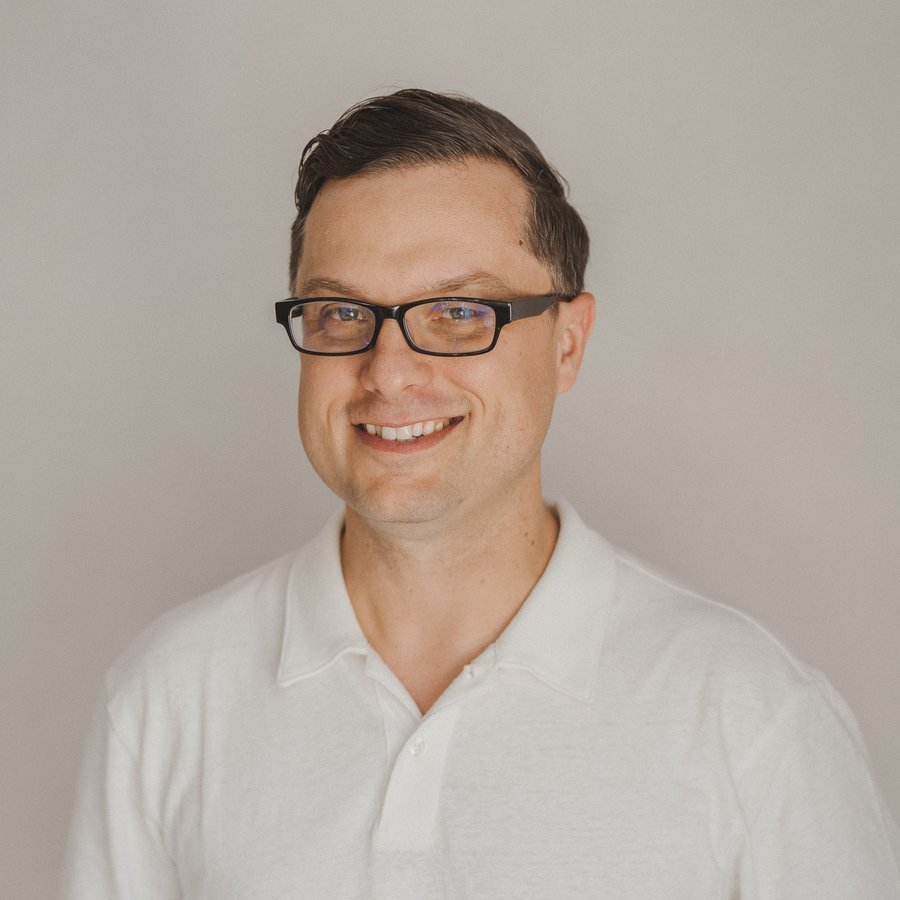
Dr. Andrew Simon, ND, BCB
Licensed naturopathic physician and board-certified biofeedback practitioner in Seattle. Clinic Director of Rebel Med NW, adjunct clinical faculty at Bastyr University, six-time Seattle Met Top Doctor, and the naturopathic advisor to Washington State on Long COVID. Read full bio →
This article is for educational purposes and is not a substitute for individualized medical care. Talk with a qualified clinician about your specific situation.