- Post-exertional malaise (PEM) is a delayed, disproportionate crash after physical, cognitive, or emotional effort — the hallmark of Long COVID and ME/CFS.
- It reflects real dysfunction: mitochondria produce energy less efficiently, and the autonomic nervous system loses its flexibility.
- Graded exercise pushed past your limit triggers crashes; pacing within your energy envelope is the evidence-informed approach.
- HRV biofeedback gives an objective handle on autonomic recovery, so pacing isn't guesswork.
Post-exertional malaise (PEM) is the crash that follows activity in Long COVID — and it is not deconditioning or lack of effort. It reflects measurable dysfunction in how cells produce energy and how the autonomic nervous system regulates the body. Understanding the mechanism changes the treatment: you pace, you don't push.
What's actually happening
Two mechanisms dominate the fatigue picture. First, mitochondrial dysfunction: the cellular machinery that produces energy works less efficiently after COVID-19, so the same activity costs more and recovers more slowly. A 2024 study found that muscle abnormalities actually worsen after exertion in Long COVID — a biological fingerprint of PEM. Second, autonomic imbalance: the vagus nerve and autonomic nervous system lose their normal flexibility, producing racing heart, blood-pressure swings, and poor recovery from exertion, sometimes formal POTS.
Layer on persistent inflammation, endothelial injury affecting oxygen delivery, and neuroinflammation driving brain fog, and you have a system that punishes the standard advice to "just push through."
Why graded exercise can backfire
In conditions with post-exertional malaise, exercise done past your energy envelope triggers crashes that can last days. The goal is the opposite: find the ceiling, stay just under it, and expand slowly as the underlying mechanisms improve. Heart rate variability biofeedback gives you an objective handle on autonomic recovery so pacing is not guesswork.
What helps
- Targeted evaluation: inflammatory markers, EBV status, nutrient panels, and orthostatic vitals.
- HRV biofeedback to rebuild autonomic regulation.
- Mitochondrial and antioxidant nutrition support, graded by evidence.
- Deliberate pacing that respects the crash rather than provoking it.
Recovery is rarely linear — expect good and bad weeks, and judge progress over a month, not a day. Pacing is not weakness. It is physiology, applied on purpose.
In practice: why this matters
Millions of people with Long COVID and ME/CFS have been harmed by well-meaning advice to 'just exercise more,' setting recovery back by months. Understanding PEM as physiology rather than weakness is not just compassionate — it changes clinical guidance, disability policy, and workplace accommodation for a very large group of people who have been dismissed for too long.
Frequently asked questions
How is post-exertional malaise different from normal tiredness?
Normal fatigue improves with rest and follows effort predictably. PEM is delayed (often 12–72 hours later), disproportionate to the activity, and can last days — and rest does not simply undo it. That delayed, out-of-proportion crash is the defining feature.
So should I avoid all activity?
No — deconditioning is real too. The goal is pacing: staying inside your current energy envelope, avoiding crashes, and expanding activity slowly as the underlying mechanisms improve. A clinician can help you find and gradually raise that ceiling.
References
- Appelman B, Charlton BT, et al. Muscle abnormalities worsen after post-exertional malaise in long COVID. Nature Communications. 2024;15:17. doi:10.1038/s41467-023-44432-3
- Davis HE, McCorkell L, Vogel JM, Topol EJ. Long COVID: major findings, mechanisms and recommendations. Nature Reviews Microbiology. 2023;21:133–146. doi:10.1038/s41579-022-00846-2
Peer-reviewed sources located via PubMed and cited for education. Citations reflect published research at time of writing.
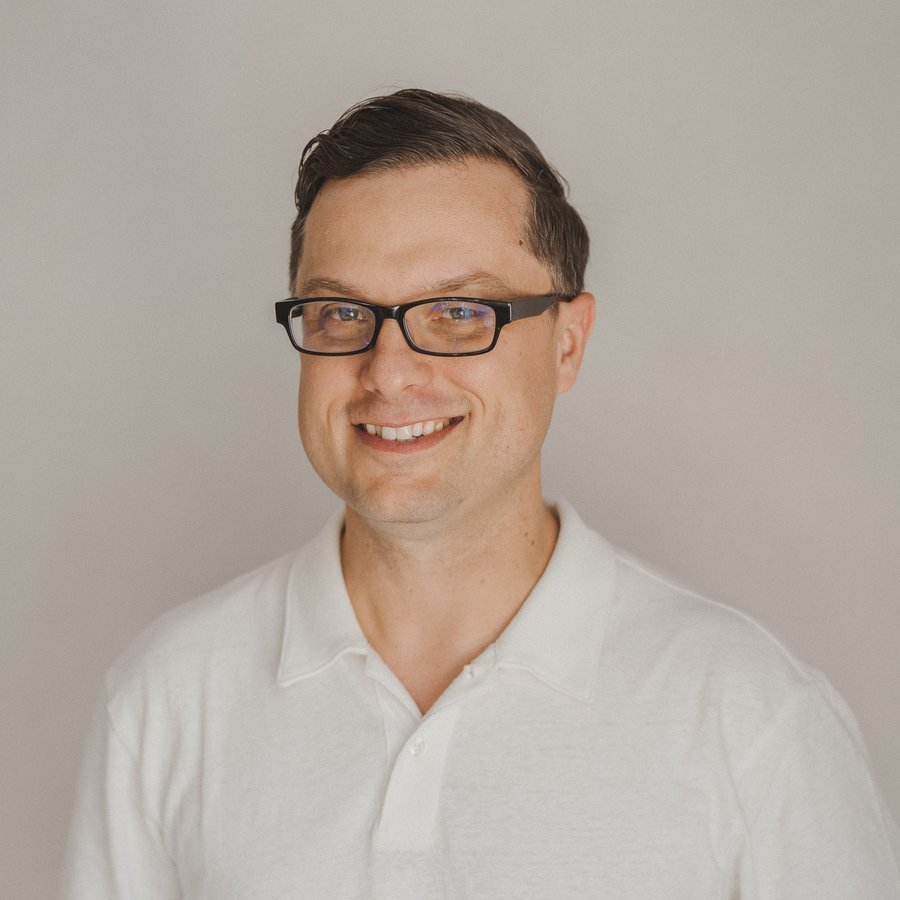
Dr. Andrew Simon, ND, BCB
Licensed naturopathic physician and board-certified biofeedback practitioner in Seattle. Clinic Director of Rebel Med NW, adjunct clinical faculty at Bastyr University, six-time Seattle Met Top Doctor, and the naturopathic advisor to Washington State on Long COVID. Read full bio →
This article is for educational purposes and is not a substitute for individualized medical care. Talk with a qualified clinician about your specific situation.