- Long COVID (PASC) has measurable mechanisms — it is not deconditioning, anxiety, or a lack of willpower.
- Five interacting drivers stand out: immune dysregulation, mitochondrial dysfunction, autonomic imbalance, endothelial injury, and neuroinflammation.
- Most people have more than one mechanism, in a unique combination — which is exactly why one-size-fits-all treatment fails.
- Recovery is sequenced: calm the nervous system and fuel the cells first, then expand capacity through pacing — not pushing.
"It's just deconditioning." "It's anxiety." "It's in your head."
If you have lived with Long COVID, you have probably heard some version of these — while your body told you, unmistakably, that something real had changed. Here is what I want you to know before another page: post-COVID illness has measurable biology. The largest reviews of the science have mapped the mechanisms behind persistent symptoms, and mechanisms can be worked on.
As the naturopathic physician who advises the Washington State Department of Health on Long COVID, and as a clinician who treats it every week, my goal here is to give you two things: a clear map of what is happening inside you, and a plan you can bring to any clinician.
What Long COVID actually is
Long COVID — clinically, post-acute sequelae of COVID-19 (PASC) — is a set of symptoms that persist or appear at least three months after infection and last at least two months, without another explanation. It can follow mild infections, affects multiple organ systems, and is a recognized medical condition, not a diagnosis of exclusion for the anxious.
The single most important idea in this article: your symptoms are downstream of specific, identifiable dysfunctions. When you know which mechanisms are driving your case, treatment stops being guesswork.
The five mechanisms
Research has converged on a handful of interacting drivers. Most people have several, in different combinations.
1. Immune dysregulation and viral persistence. The immune system stays switched on — lingering inflammation, autoantibodies, and reactivation of latent viruses such as Epstein-Barr. Fragments of the original virus may persist in tissue, keeping the body in a defensive posture long after the infection clears.
2. Mitochondrial dysfunction. Mitochondria, your cells' power plants, work less efficiently after COVID. The same activity costs more energy and recovers more slowly. This is the biology beneath exercise intolerance and the crash that follows exertion.
3. Autonomic dysfunction (dysautonomia and POTS). The autonomic nervous system loses its normal flexibility. Standing up races the heart; stress lingers instead of resolving. Formal POTS — a jump of 30 or more beats per minute on standing — is common and measurable.
4. Endothelial injury and microclots. The active lining of your blood vessels is disturbed, impairing circulation and oxygen delivery to muscle and brain. This single thread connects fatigue, exercise intolerance, and brain fog, and it is where much of the cardiovascular research on Long COVID now focuses.
5. Neuroinflammation. Inflammatory signaling in the nervous system drives brain fog, poor attention, low mood, and disrupted sleep. Your brain has its own immune cells — microglia — and after COVID they can stay activated. This is inflammation, not character.
Gut disruption and hormonal shifts frequently travel with these five, and are often the most treatable pieces of the picture.
Why "just push through" backfires
The hallmark that separates Long COVID from ordinary deconditioning is post-exertional malaise (PEM) — a delayed, disproportionate crash, often 12 to 72 hours after physical, cognitive, or emotional effort. A 2024 study found that muscle abnormalities actually worsen after exertion in Long COVID. Graded exercise pushed past your limit doesn't build tolerance; it triggers relapse.
The alternative is pacing: staying inside your energy envelope, and expanding it only as the underlying mechanisms improve. Think of energy like a daily bank balance, not a muscle to exhaust.
The four-pillar recovery roadmap
This is the structure I use in clinic. The order matters — you stabilize the system and its energy supply before you ask the body to do more.
- Evaluate before you treat. A targeted workup: inflammatory markers, an EBV panel, comprehensive thyroid and cortisol, nutrient status, cardiometabolic screening, and orthostatic vitals when POTS is suspected.
- Retrain the nervous system. Heart rate variability (HRV) biofeedback is one of the most practical, measurable tools in PASC care — it rebuilds autonomic regulation without requiring exertion, so it is safe even with PEM.
- Repair the cellular and nutritional base. An anti-inflammatory, whole-foods diet; protein at each meal to protect muscle; and targeted support for mitochondria and antioxidant capacity, graded honestly by evidence.
- Expand capacity without crashing it. Pacing guided by your energy envelope and, where appropriate, your heart rate — adding function in small, sustainable increments while the mechanisms above are treated.
The naturopathic advantage here
Long COVID is precisely the kind of multi-system, mechanism-driven condition that a root-cause, functional approach is built for. There is no universal cure yet — but a tailored plan that addresses your combination of mechanisms consistently beats any single pill. The naturopathic principle of treating the whole person, sequencing foundations before fancy protocols, and pairing evidence-based conventional evaluation with nutrition, mind-body medicine, and paced rehabilitation, is not a soft alternative here. It is the most rational way to treat a condition this complex.
You don't need a miracle. You need a plan built on your biology.
In practice: why this matters
Large national surveys estimate that roughly one in fifteen U.S. adults has experienced Long COVID, and a meaningful share remain unable to work at full capacity. That is not only a personal tragedy; it is a workforce and public-health problem measured in millions of people and billions of dollars. Treating Long COVID as real, mechanistic, and manageable — rather than dismissing it as stress — is how a health system stops leaving those people behind and starts returning function, income, and dignity.
Frequently asked questions
How do I know if I have Long COVID?
Long COVID is generally defined as symptoms that persist or appear at least three months after a SARS-CoV-2 infection and last at least two months, without another explanation. Common features include fatigue, post-exertional malaise, brain fog, palpitations, and shortness of breath. A clinician can help rule out other causes.
Will Long COVID go away on its own?
Many people improve over time, but recovery is often slow and uneven, and pushing through symptoms can cause setbacks. A structured plan that addresses the underlying mechanisms tends to help more than waiting — especially where post-exertional malaise or POTS is present.
Is exercise good or bad for Long COVID?
It depends. Where post-exertional malaise is present, graded exercise pushed past your limit triggers crashes. The goal is pacing — staying inside your energy envelope and expanding slowly as the mechanisms improve — not 'just exercise more.'
References
- Raman B, Bluemke DA, et al. Long COVID: post-acute sequelae of COVID-19 with a cardiovascular focus. European Heart Journal. 2022;43(11):1157–1172. doi:10.1093/eurheartj/ehac031
- Davis HE, McCorkell L, Vogel JM, Topol EJ. Long COVID: major findings, mechanisms and recommendations. Nature Reviews Microbiology. 2023;21:133–146. doi:10.1038/s41579-022-00846-2
- Centers for Disease Control and Prevention. Long COVID — Household Pulse Survey. National Center for Health Statistics, 2024.
Peer-reviewed sources located via PubMed and cited for education. Citations reflect published research at time of writing.
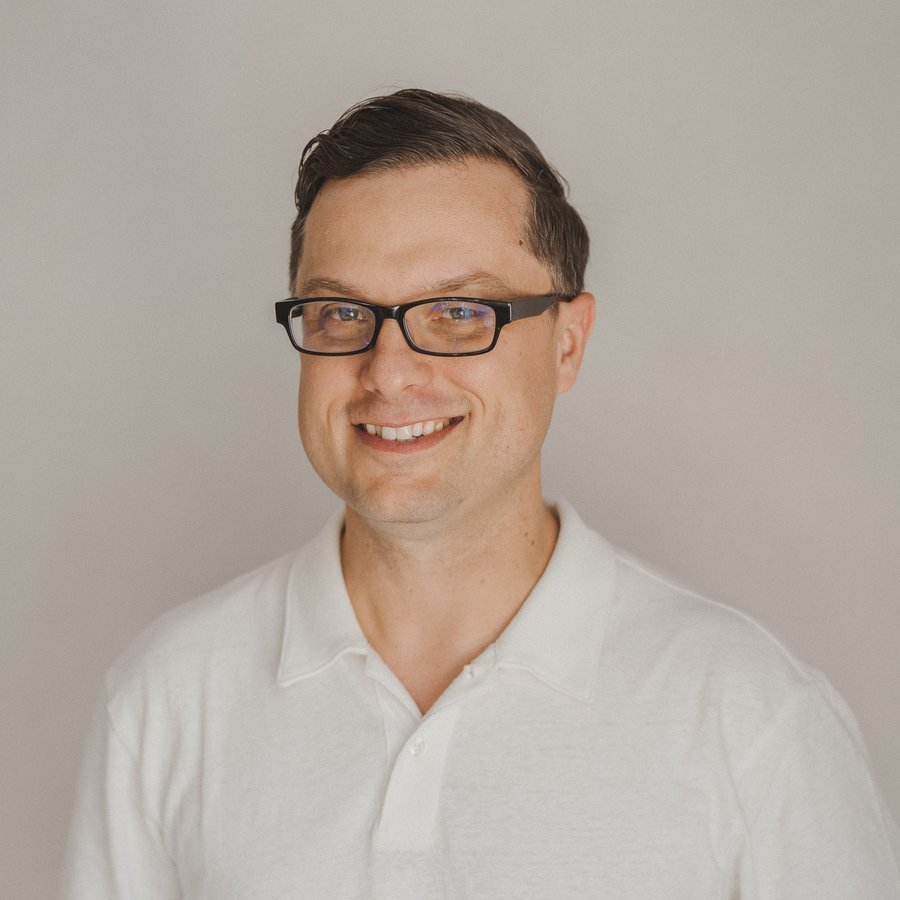
Dr. Andrew Simon, ND, BCB
Licensed naturopathic physician and board-certified biofeedback practitioner in Seattle. Clinic Director of Rebel Med NW, adjunct clinical faculty at Bastyr University, six-time Seattle Met Top Doctor, and the naturopathic advisor to Washington State on Long COVID. Read full bio →
This article is for educational purposes and is not a substitute for individualized medical care. Talk with a qualified clinician about your specific situation.