- Naturopathic medicine has taught root-cause, systems-based, lifestyle-first care for over a century — the same principles 'functional medicine' later named.
- In Washington State, licensed naturopathic physicians can diagnose, order labs and imaging, prescribe many medications, and serve as primary care providers.
- Naturopathic training is built on the medical sciences plus nutrition, botanical medicine, physical medicine, and mind-body medicine.
- A randomized trial found naturopathic care meaningfully reduced cardiovascular risk versus usual care — the model tested with real rigor.
Functional medicine is often introduced as a frontier — a new, systems-based way of practicing that looks past symptoms to root causes. The approach is genuinely valuable. But the framing has a blind spot: naturopathic physicians have practiced these exact principles for well over a century, long before the phrase "functional medicine" existed.
The principles were always the same
The foundations of naturopathic medicine, formalized generations ago, read like a modern functional-medicine manifesto:
- Identify and treat the cause (tolle causam) — look past the symptom to what is driving it.
- First, do no harm (primum non nocere) — favor the least invasive effective intervention.
- The healing power of nature (vis medicatrix naturae) — support the body's own capacity to recover.
- Treat the whole person — mind, body, and context, not an isolated organ.
- Physician as teacher (docere) — because when the cause is lifestyle, understanding it is part of the cure.
- Prevention — build health before disease arrives.
These are not alternative-medicine slogans. They are the same instincts that functional medicine later rediscovered and renamed — and that the chronic-disease era has made urgent.
Real training, real medicine
The stereotype of naturopathic medicine as "just supplements" badly misrepresents the training. A licensed naturopathic physician completes a graduate-level program built on the medical sciences — anatomy, physiology, biochemistry, pathology, pharmacology, and clinical diagnosis — alongside deeper training in clinical nutrition, botanical medicine, physical medicine, and mind-body medicine. It is a medical education with a wider therapeutic toolkit and a prevention-first orientation.
What an ND can actually do in Washington
This is the part most misunderstood. In Washington State, licensed naturopathic physicians are credentialed to:
- Diagnose medical conditions
- Order and interpret laboratory tests and imaging
- Prescribe many medications
- Perform minor office procedures
- Refer to specialists
- Serve as primary care providers
In other words, a licensed ND in this state is a physician practicing medicine through an integrative lens — not a substitute for one. (Scope of practice varies by state, so what is true in Washington may differ where you live.)
Tested with rigor
Skeptics reasonably ask for evidence, and it exists. A randomized controlled trial published in CMAJ found that adding naturopathic care to usual care meaningfully reduced cardiovascular risk and metabolic syndrome compared with usual care alone. That is the naturopathic, functional model — nutrition, lifestyle, and targeted therapeutics — tested against a real comparator and holding up.
Why the history matters to you
This is not a turf debate; it is a practical point for anyone seeking care. If you want medicine that treats root causes, respects prevention, and sees you as a whole person — the thing "functional medicine" promises — you are describing what naturopathic physicians have trained to do all along. The label is newer than the practice. What matters is finding a licensed clinician who combines that whole-person philosophy with genuine diagnostic rigor and honest, evidence-graded care.
In practice: why this matters
As patients increasingly seek whole-person, prevention-focused care, understanding that licensed naturopathic physicians already provide it — within a regulated, diagnostic, prescribing scope — helps people find rigorous integrative care instead of unlicensed alternatives. Clarifying what an ND is, and is licensed to do, protects the public and expands access to the exact kind of medicine the chronic-disease era demands.
Frequently asked questions
Can a naturopathic doctor be my primary care provider?
In Washington State, yes. Licensed naturopathic physicians are trained and credentialed to diagnose conditions, order and interpret labs and imaging, prescribe many medications, perform minor procedures, refer to specialists, and act as primary care providers. Scope varies by state, so check your local licensing.
How is a licensed ND different from other 'holistic' practitioners?
A licensed naturopathic physician completes graduate-level medical training and board examinations and holds a state license to practice medicine. That is very different from unlicensed titles like 'health coach' or 'naturopath' (without a license), which do not carry diagnostic or prescribing authority.
References
- Seely D, Szczurko O, et al. Naturopathic medicine for the prevention of cardiovascular disease: a randomized clinical trial. CMAJ. 2013;185(9):E409–E416. doi:10.1503/cmaj.120567
- Fleming SA, Gutknecht NC. Naturopathy and the primary care practice. Primary Care. 2010;37(1):119–136. doi:10.1016/j.pop.2009.09.002
Peer-reviewed sources located via PubMed and cited for education. Citations reflect published research at time of writing.
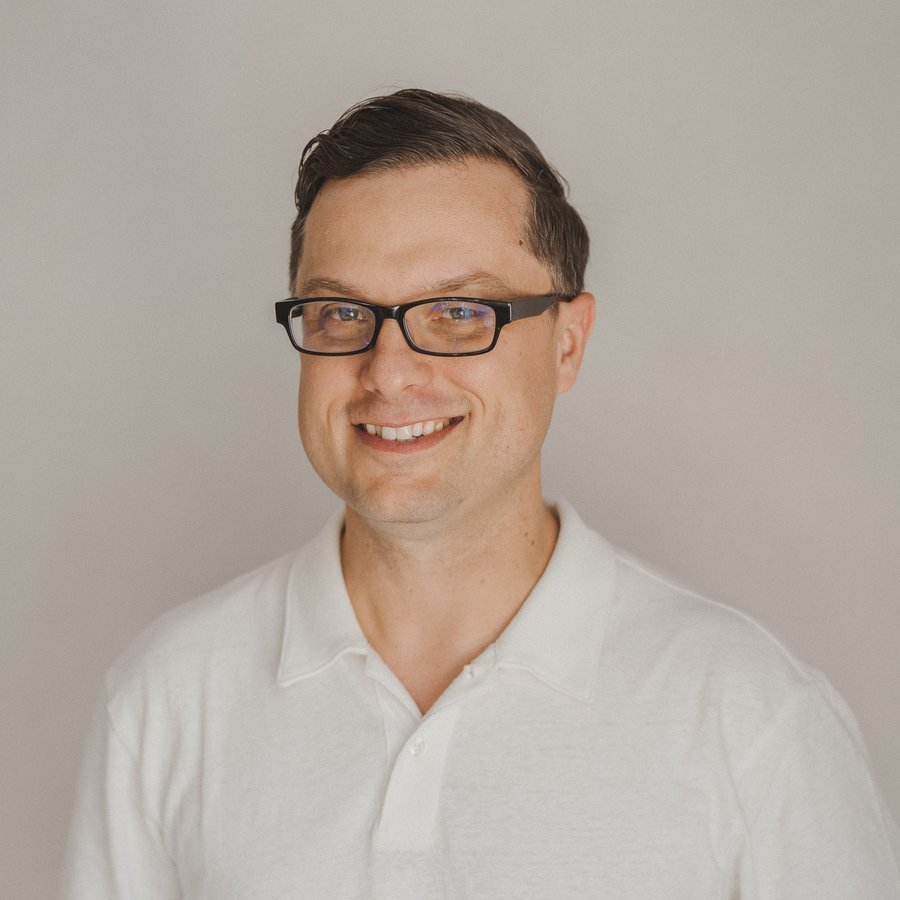
Dr. Andrew Simon, ND, BCB
Licensed naturopathic physician and board-certified biofeedback practitioner in Seattle. Clinic Director of Rebel Med NW, adjunct clinical faculty at Bastyr University, six-time Seattle Met Top Doctor, and the naturopathic advisor to Washington State on Long COVID. Read full bio →
This article is for educational purposes and is not a substitute for individualized medical care. Talk with a qualified clinician about your specific situation.